


Inside TPK — The People and Processes Behind Every Fixture
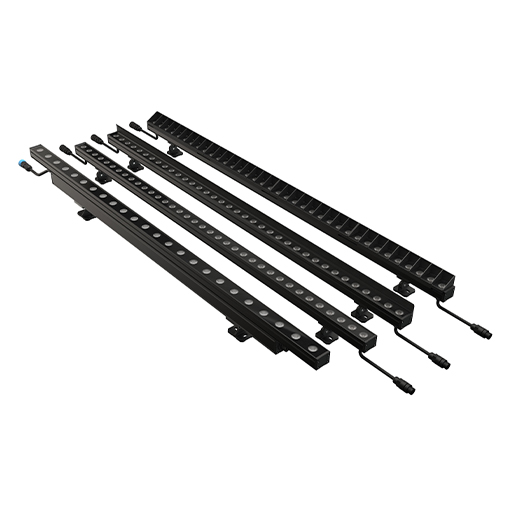
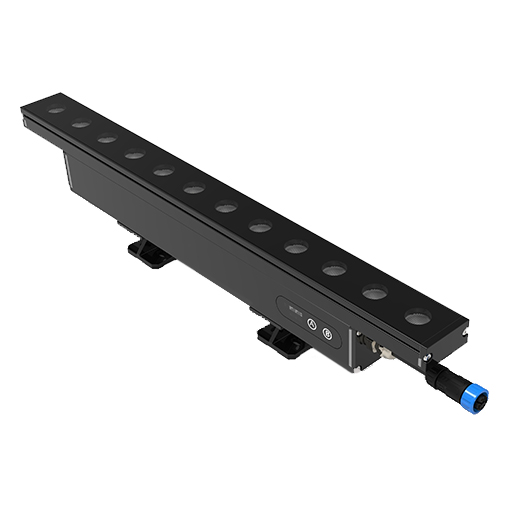
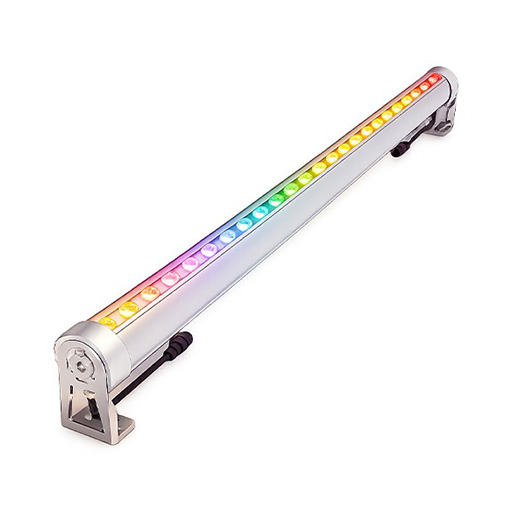
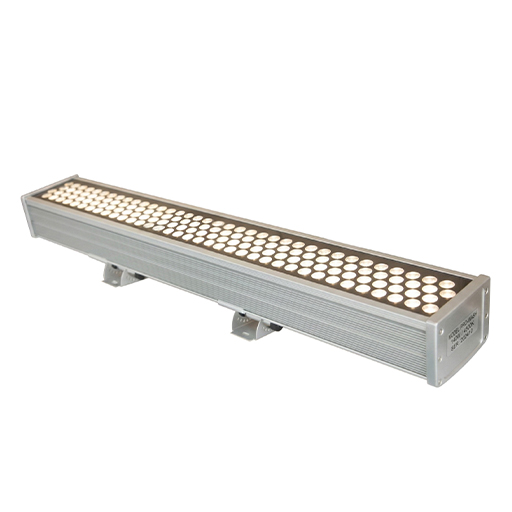
Four workshops, one standard: the people and processes behind every LED wall washer, linear light and spotlight.
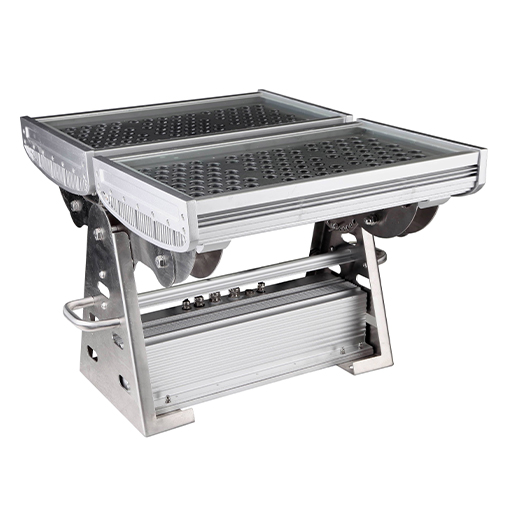
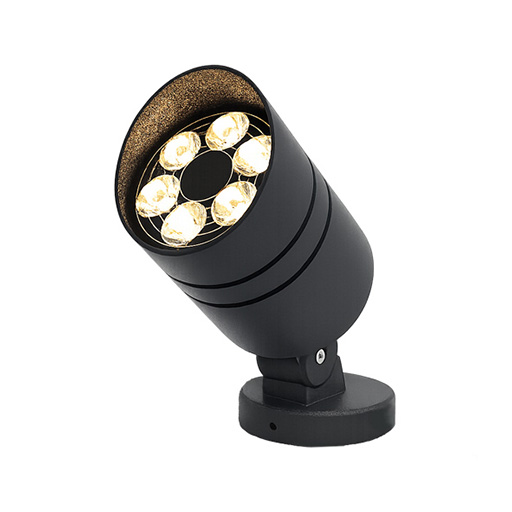
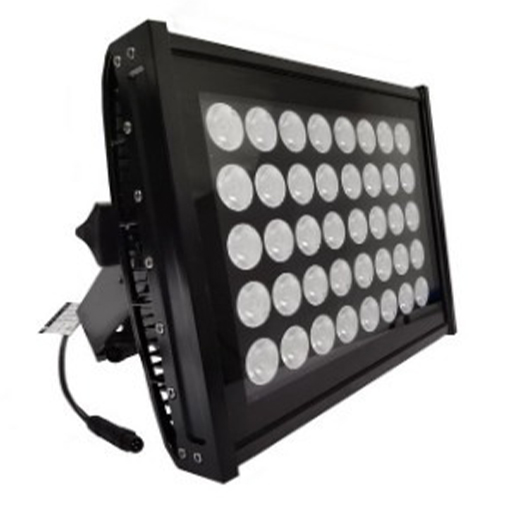
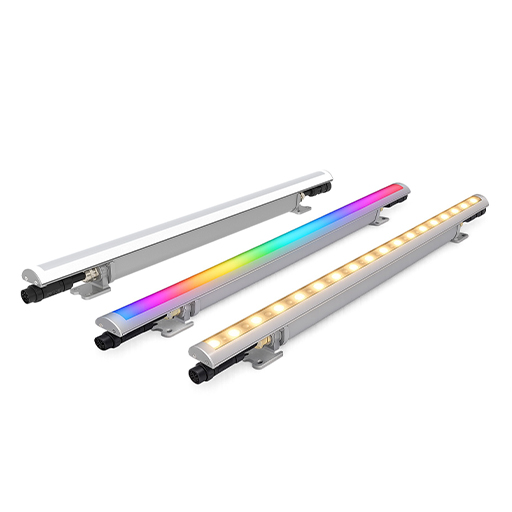
Behind every LED wall washer, linear light and spotlight that ships from TPK’s facility in Zhongshan is a team of 78 people, four workshops, a self-owned testing laboratory and a set of habits — a daily reading group, a public improvement-proposal board, and a culture in which workshop employees propose design improvements that get taken seriously.
The Factory — Four Workshops, One Standard
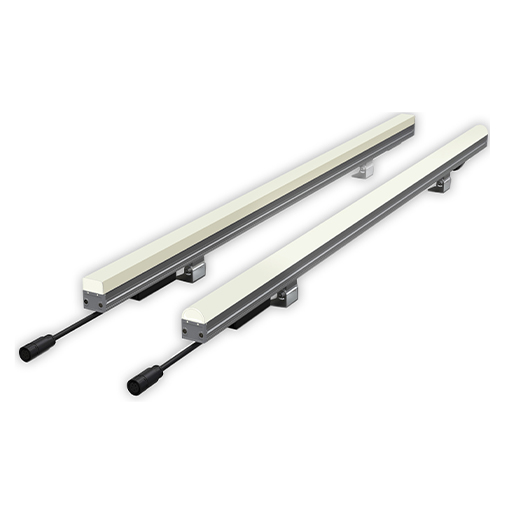
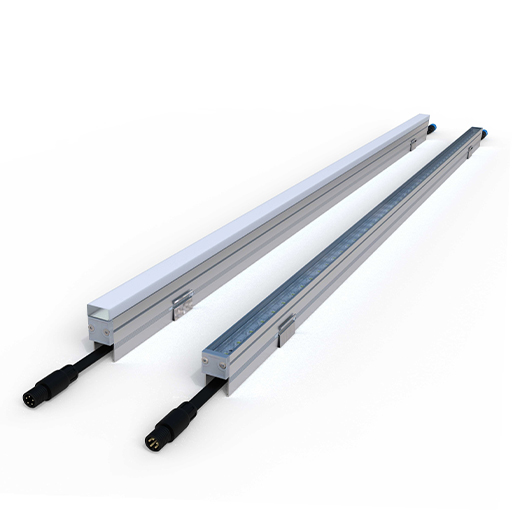
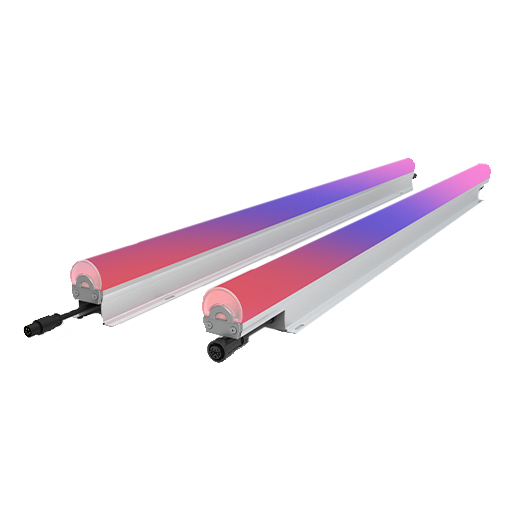
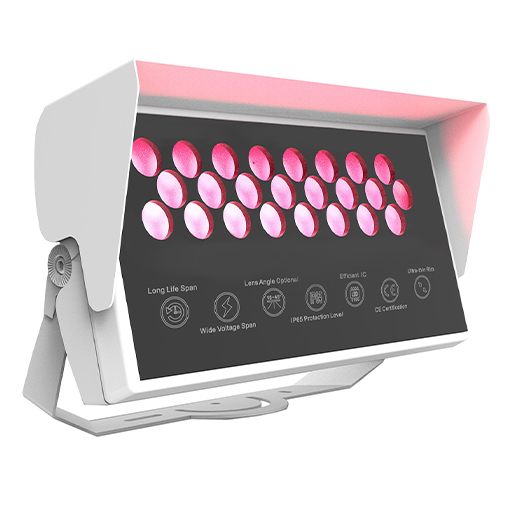
TPK’s 8,000 m² facility in Dongfeng Town, Zhongshan has been in operation since 2005 and was fully occupied from 2011. Production is organised into four independent workshops, each handling one stage of manufacturing: profile machining for aluminium extrusion and housings, an electronics workshop with automatic SMD placement and reflow soldering, an assembly workshop with three production lines (wall washers, flood lights and linear lights), and a final inspection area. The four workshops operate to a single standard across the facility.
The 78 people who work across these workshops come from across China. TPK has deliberately built a culture that values learning and continuous improvement — a culture that shapes the team more than any single factory rule.
The Testing Laboratory — Not a Checkbox, a Process
TPK maintains a self-owned testing laboratory equipped with surge testing, electro-optical testing, IES light distribution measurement, temperature and humidity chambers, a vibration test bench, a drop test bench, a 3-metre pressurised waterproofing tank and salt-spray test equipment.
The most operationally significant of these is the IP67 waterproofing test, applied to every batch of completed fixtures before shipment. The four-stage process — ageing, hot immersion, powered immersion, sort — is not a compliance exercise. It is a sequence developed by the engineering team that finds problems ordinary testing misses.
A Culture of Improvement — From the Workshop Floor
TPK operates a formal improvement proposal system that any employee can use. Proposals are reviewed by the relevant departments; accepted improvements are confirmed by written commendation and rewarded with a cash bonus. Three recent cases illustrate how it works: on a wall washer order, an employee proposed moving the power-supply mounting position to the housing edge to improve wiring and installation efficiency; another employee identified recurring cold and false solder joints on a control-board terminal block and proposed lengthening the solder pads, eliminating the defect at its root; a third employee proposed removing an unnecessary brass standoff in a potted low-voltage fixture, reducing material and labour cost.
The awards are modest. What matters is the signal they send: the people closest to the production process are expected to think about that process, and their thinking is taken seriously.
The Reading Group — Management by the Book, and by Practice
In June 2022, TPK’s management team started a reading group. The format is simple: two books per month, shared across the management team, with each person posting what they read, their reflections and how it connects to the day’s work. The reading list spans management, engineering and operations.
The reading group is not passive. One practical output has been TPK’s internal project framework — a structured project brief with five mandatory fields: goal, resources, plan, investment and team — distilled from the books and refined through discussion. The group has run continuously since June 2022.
The Night a US Bridge Order Had to Ship
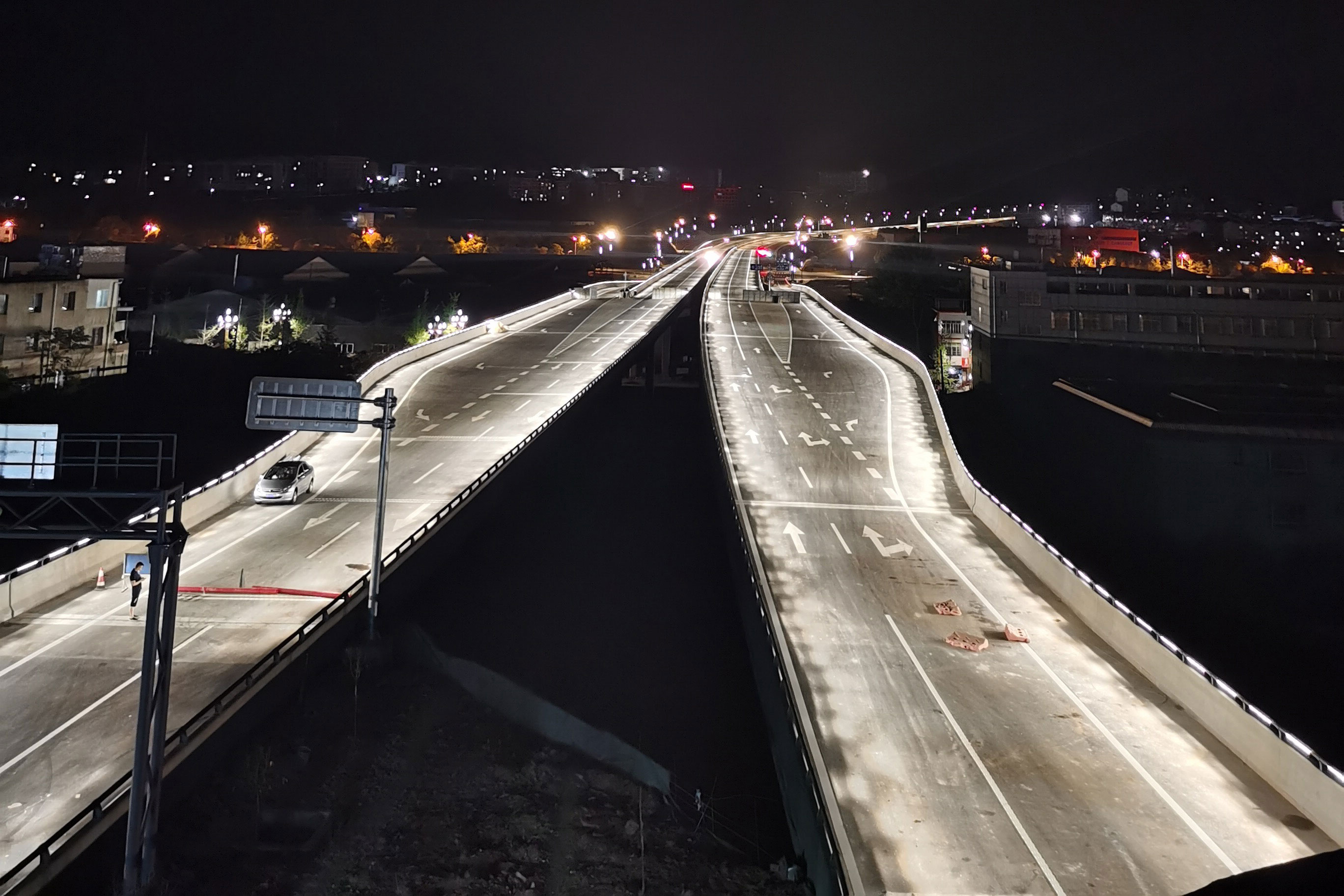
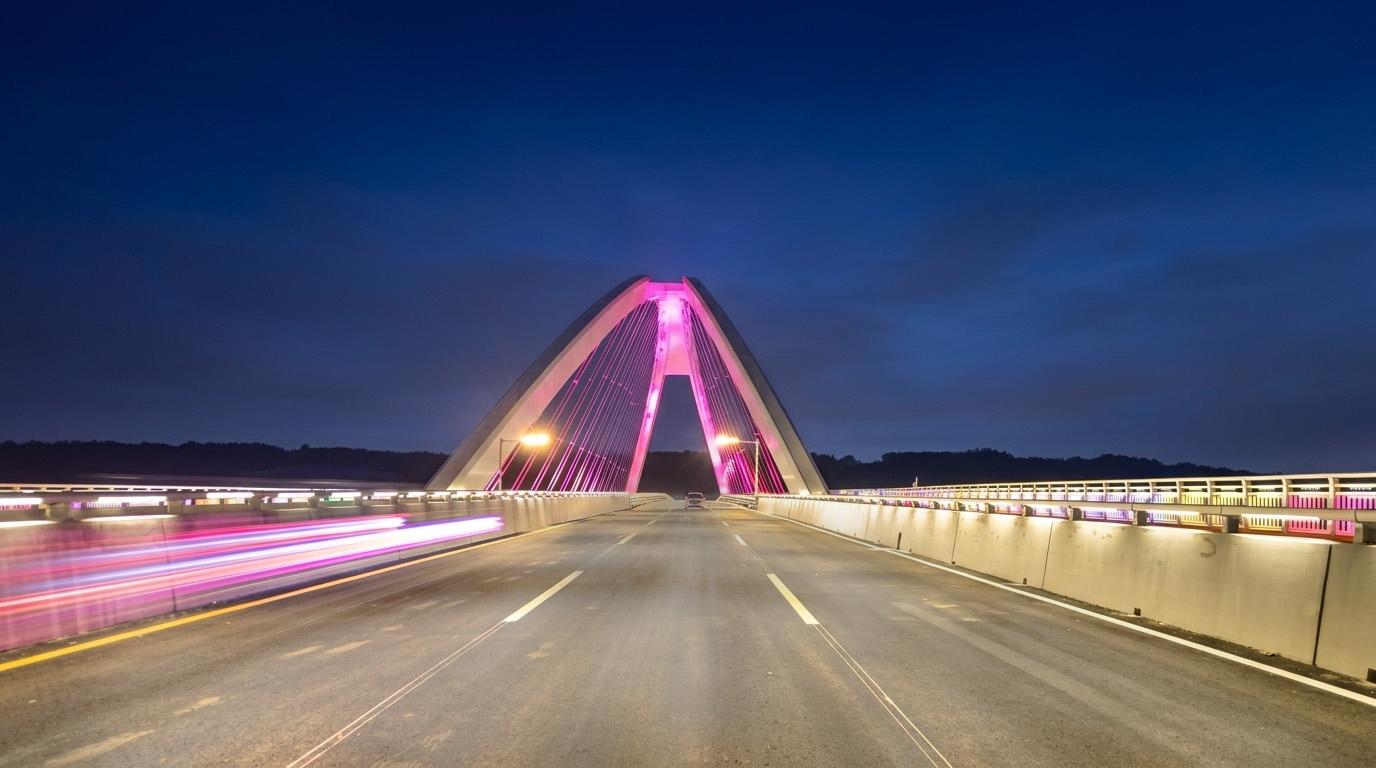
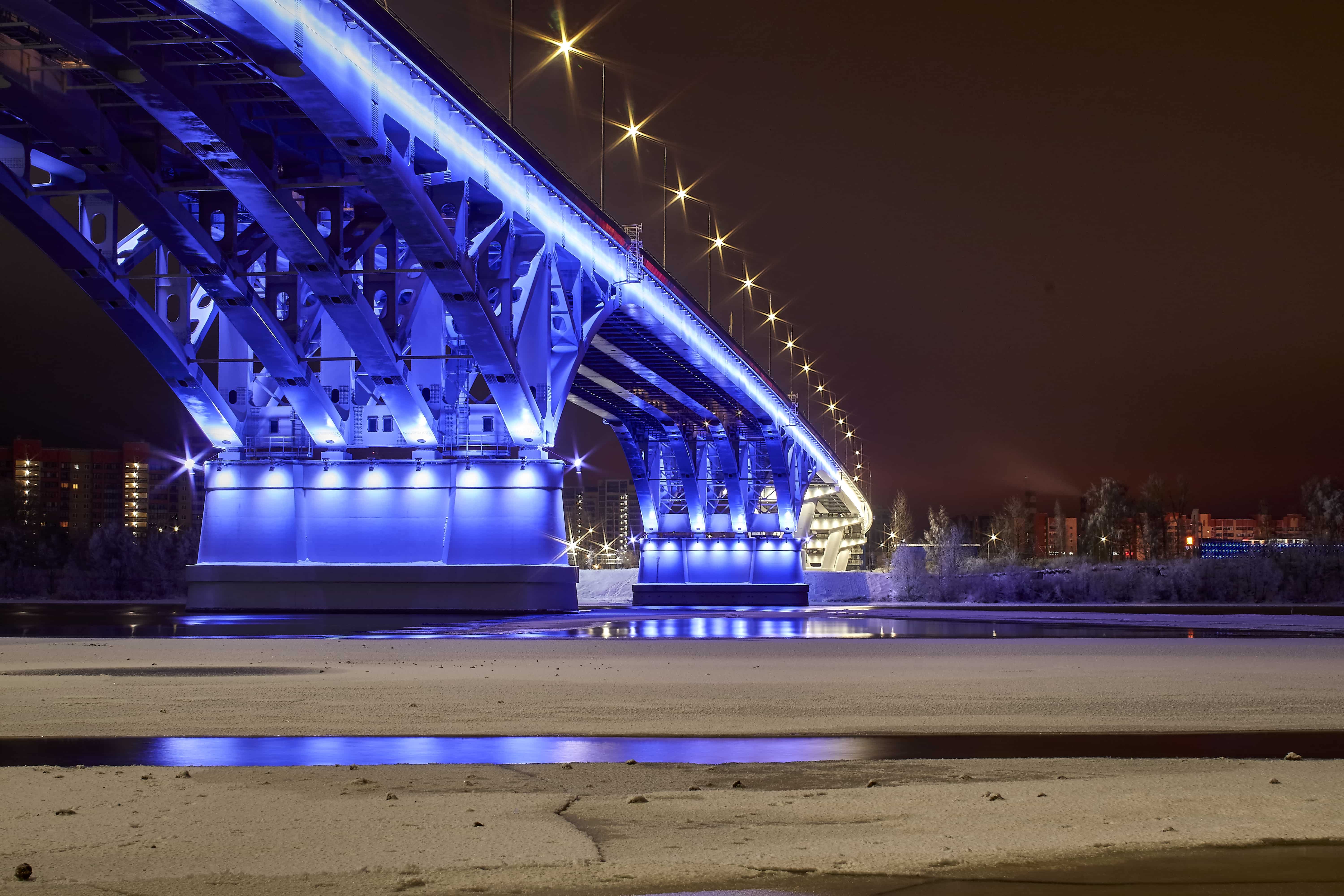
The order was for a bridge lighting project in the United States. The client needed the fixtures on site before a hard deadline tied to the construction schedule. TPK confirmed the order with only three days before the required shipping date — not enough time for a normal production cycle.
The management team made the decision: the entire factory would work through the night. The owner stayed on the floor and bought late-night food for everyone. Nobody was required to stay; nobody left. By 9 am the following morning, the order was packed and ready to ship, and the fixtures reached the US client before the deadline.
That account matters not because it describes an unusual event, but because of what it reveals about the people involved — a 78-person factory working through the night for a client they had never met, in a country they had never visited, because a commitment had been made.
Why Any of This Matters for Your Project
When you specify a TPK fixture, the product that arrives is the output of this factory — these four workshops, this testing process, these people. The IP67 rating sits on top of a real 24-hour ageing process, hot immersion and 15 minutes of powered operation in water. Assembly quality sits on top of a system where every employee can propose an improvement and be taken seriously.
None of this is visible from a product photograph. It is the kind of thing you learn about a supplier over years — or by reading a factory story in advance. If you have a project that requires LED architectural lighting — a facade, a bridge, a landmark or a stadium — the team that built this factory culture will respond to your enquiry with IES files and a practical proposal.